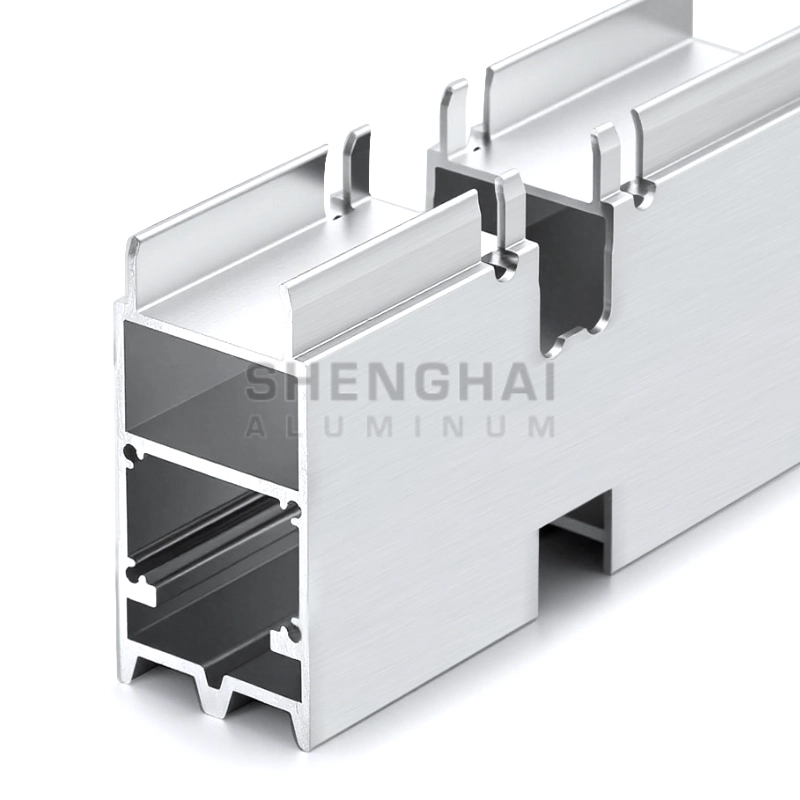
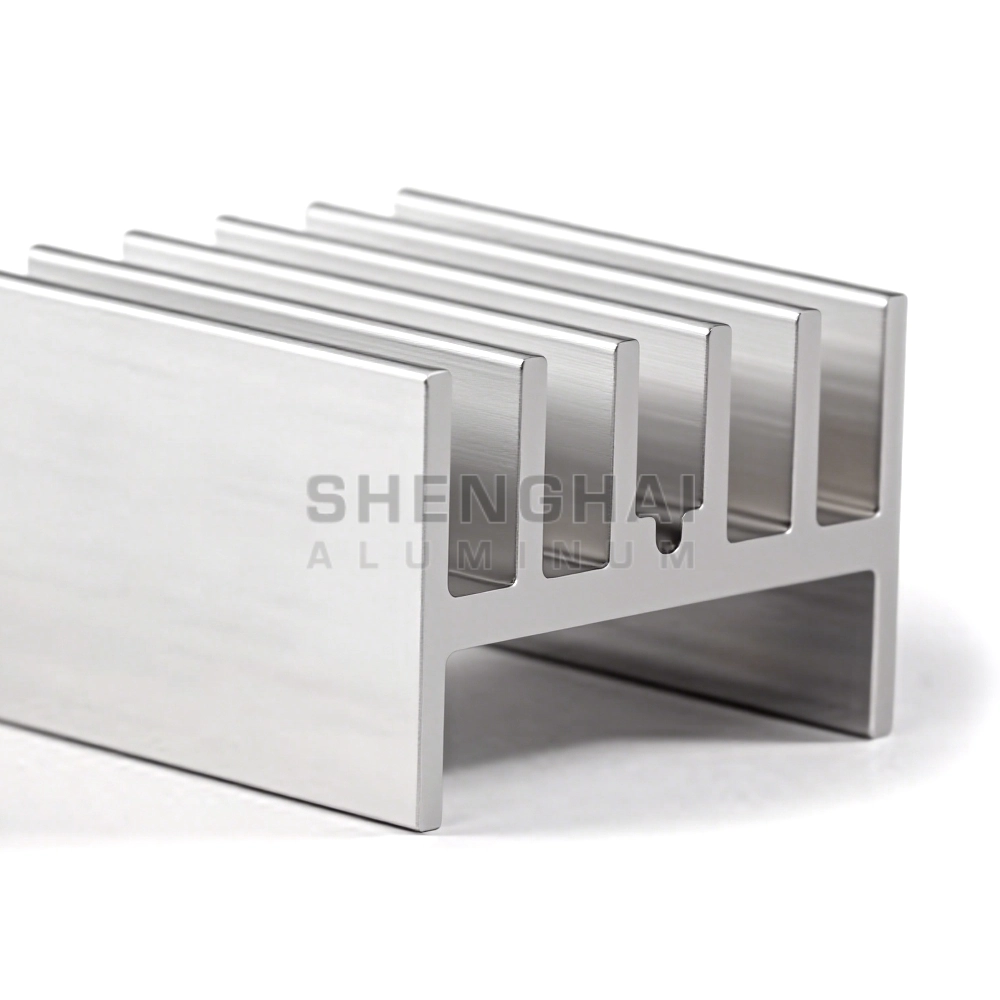
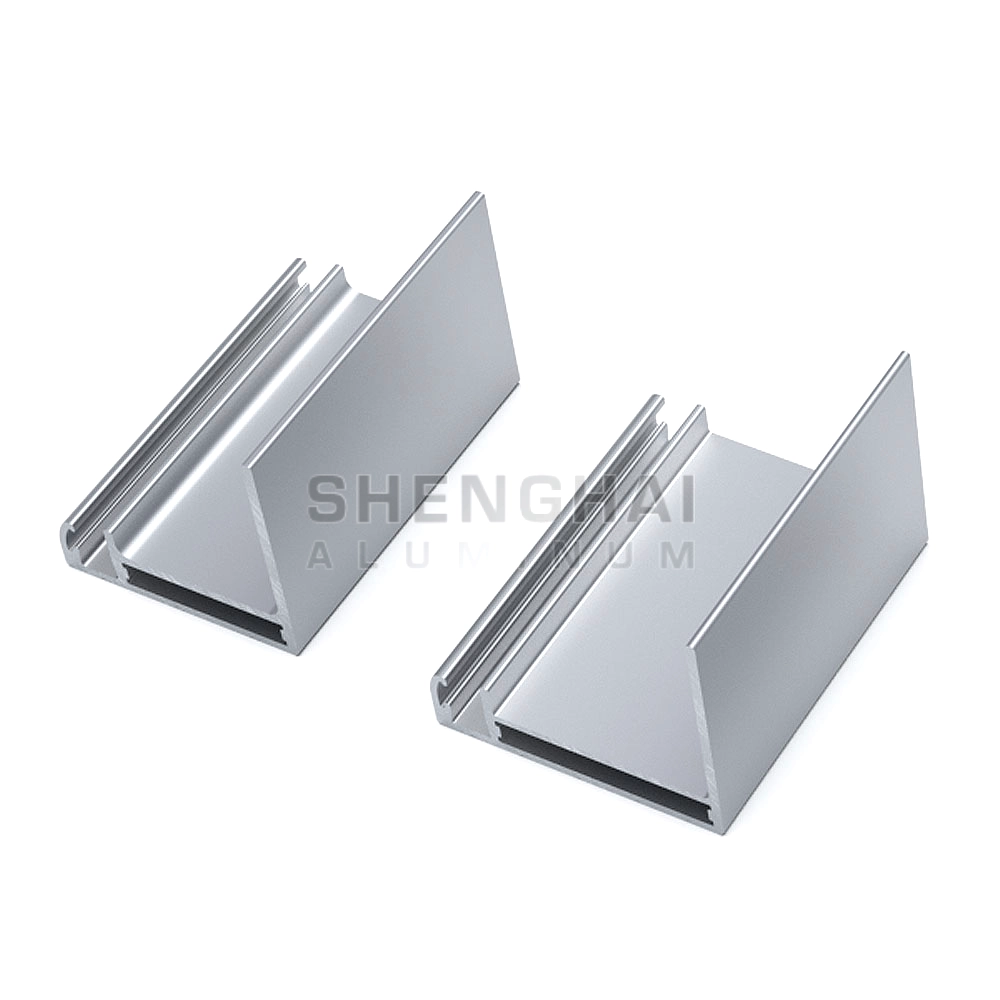
In the deep processing of aluminum profiles, the fundamental difference between traditional cutting and CNC machining lies in the balance between precision control and production efficiency. Traditional cutting relies primarily on manual operation, with tolerances typically ranging from ±0.2 mm to ±1.0 mm, making it suitable for basic building structures with lower precision requirements; In contrast, CNC machining achieves full automation through computer programs, enabling tolerances to be precisely controlled within ±0.01 mm. It integrates cutting, drilling, tapping, and milling into a single process, resulting in an overall efficiency increase of over 300%. For projects requiring high consistency and complex geometries—such as automotive components, high-efficiency heat sinks, and photovoltaic systems—CNC machining is the core technology for ensuring product quality and reducing long-term overall losses.
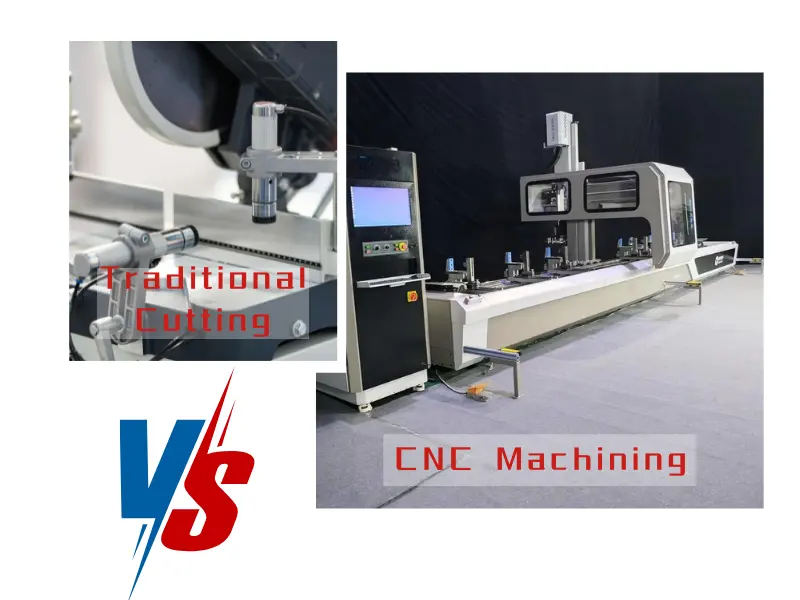
Left: Traditional manual aluminum profile cutting equipment with low precision. Right: Advanced 6-meter CNC machining center for high-precision aluminum profile deep processing, suitable for Middle East window and curtain wall projects.
I. Traditional Cutting
What is traditional cutting?
This generally refers to cutting methods that do not use computer programs for automatic control, but instead rely on manual operation of the equipment. Both dimension measurement and angle control must be performed manually, resulting in cutting accuracy that is significantly lower than that of CNC machining. The machining tolerance for traditional cutting typically ranges from ±0.2mm to ±1.0mm, whereas CNC can achieve ±0.01mm.
What are the common types of equipment used in traditional cutting?
- Manual cutting machines: Used for aluminum profiles with low precision requirements, such as industrial aluminum profiles and DIY aluminum cabinets. Even with lower precision, this does not significantly affect the finished product.
- Semi-automatic cutting machines: Operated semi-manually and semi-automatically, offering slightly higher precision than fully manual machines. Commonly used for door and window aluminum profiles and industrial aluminum profiles.
- Fully automatic cutting machines: Offer higher precision than the previous two types and require almost no manual operation.
Why are the errors so significant?
- Human Error: Dimensions and angles must be measured and positioned manually, leading to visual errors, measurement method errors, tape measure errors, marking errors, and errors caused by the shifting of aluminum profiles.
- Equipment Error: Vibrations generated by the rotating saw blade can cause cutting deviations; prolonged use leads to equipment wear, resulting in progressively lower precision.
What are the characteristics of aluminum profiles cut using traditional methods?
- Insufficient precision and poor consistency: With too many factors affecting precision, dimensions within the same batch of aluminum profiles vary, making them unsuitable for projects requiring high precision.
- Poor surface quality: Cut surfaces often exhibit unevenness, burrs, scratches, and dents.
- Limited machining capabilities: Only simple straight cuts and 45° bevel cuts can be performed; complex irregular cuts are not possible. Drilling and milling slots require transferring the workpiece to different machines, and repeated repositioning leads to significant hole positioning deviations, often resulting in misaligned holes that cannot be installed. Continuous long slots and precision mortise-and-tenon structures cannot be machined. When cutting complex multi-chamber profiles, uneven stress distribution can easily cause localized deformation.
- Significant Machining Waste: A large amount of scrap is generated during the machining process, leading to wasted costs.
II. CNC Machining
What is CNC Machining?
CNC machining is automatically controlled by computer programs, largely eliminating errors caused by human operational mistakes. It virtually eliminates the occurrence of inconsistent dimensions in large batches and can consistently produce high-precision aluminum profiles.
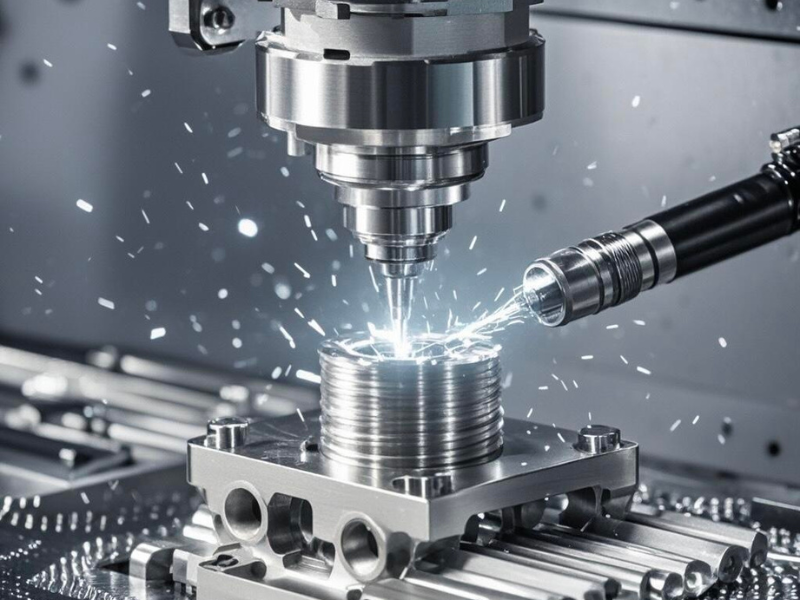
CNC Machined
What are the main types of CNC machining?
- Cutting processes: Milling, drilling, boring, tapping, and other similar operations.
- Metal forming processes: CNC press brakes, punch presses, shearing machines, etc.
- Specialized processes: Laser cutting, EDM (Electrical Discharge Machining), etc.
What are the characteristics of CNC machining?
- High precision: Dimensions are set via computer programs, ensuring machining accuracy consistently within ±0.01mm to ±0.05mm, virtually eliminating dimensional inconsistencies in batch production.
- Capable of processing complex shapes: Complex shapes that cannot be achieved through traditional cutting methods can be completed via CNC machining without compromising precision.
- High efficiency: Multiple processes—including cutting, drilling, tapping, and milling—can be completed in a single setup, resulting in efficiency over 300% higher than traditional machining methods.
What are the common product types for CNC machining?
- Door and Window Types: Curtain wall aluminum profiles, thermal break aluminum doors and windows, aluminum folding door profiles, aluminum sliding door profiles, aluminum swing door profiles, etc.
- Photovoltaic Aluminum Profile Systems: PV frames, solar mounting brackets, rail systems, installation connectors, and ground support structures.
- Others: Automotive structural components, heat sinks, LED light channels, aluminum trim/baseboards, industrial assembly line frames, stair handrails, and balustrades.
-
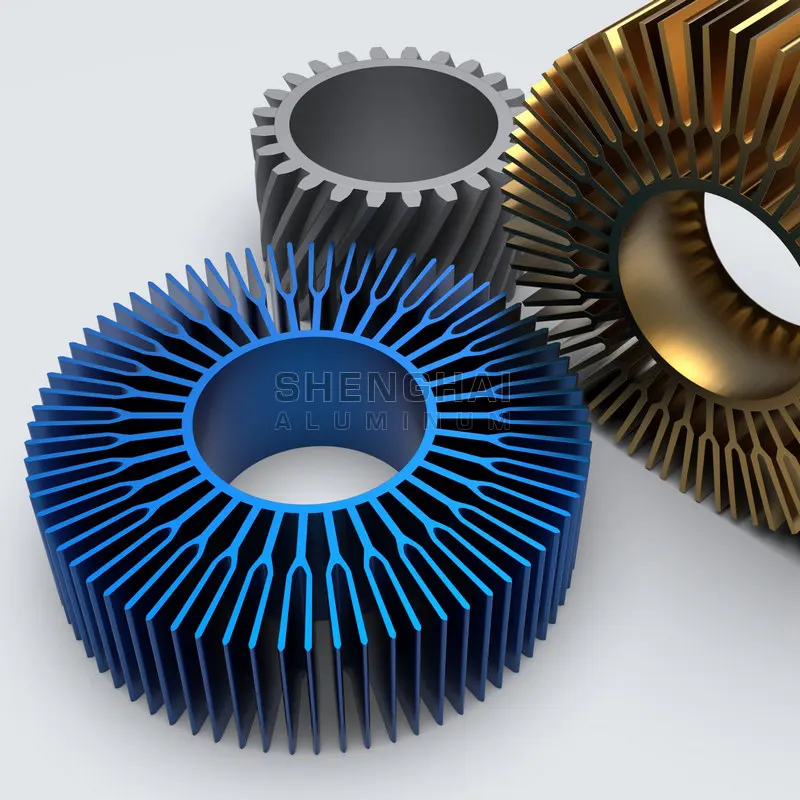
- Custom CNC machined round aluminum heat sink profiles with anodized surface finish. Available in blue, silver and gold colors, suitable for industrial electronic cooling applications in the Middle East.
-
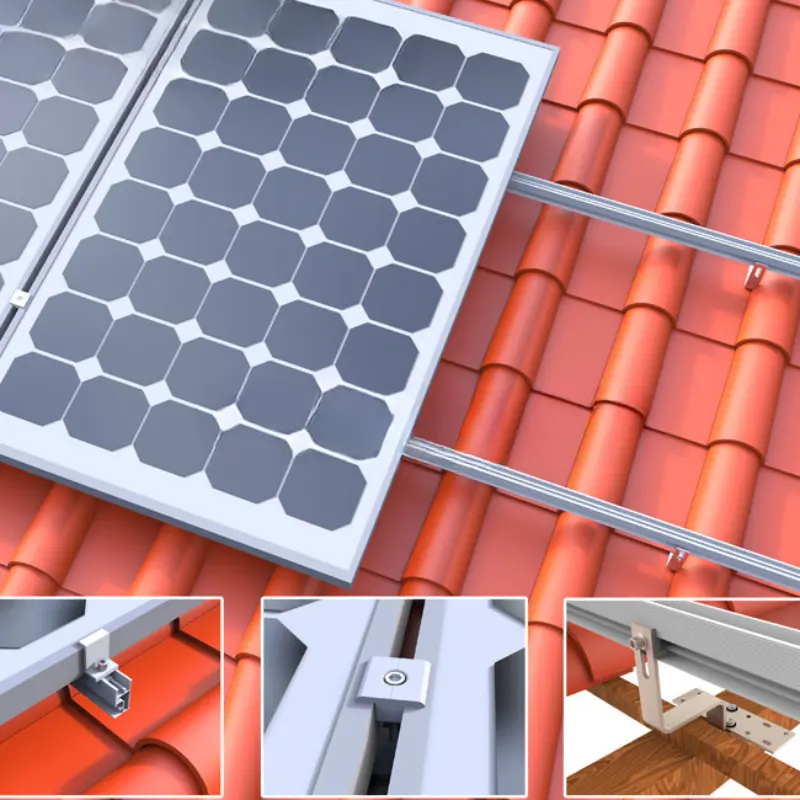
- Corrosion resistant anodized aluminum solar panel mounting profiles. CNC machined for precise assembly, suitable for desert and coastal solar power projects in Saudi Arabia, UAE and Qatar.
-
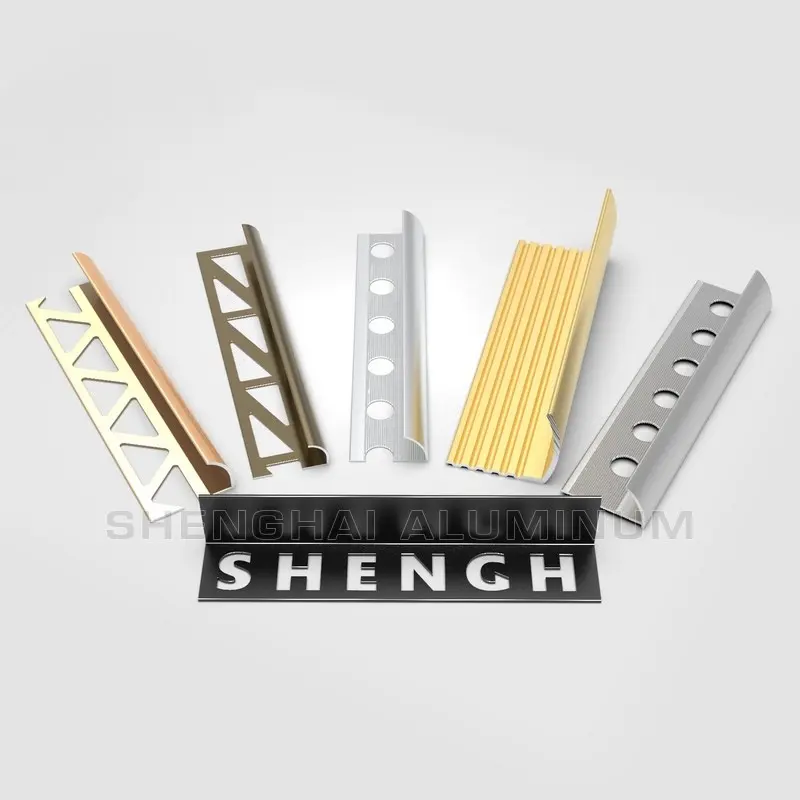
- High quality decorative aluminum tile trim profiles with CNC punched holes. Available in brushed gold, silver, bronze and champagne finishes, perfect for interior and exterior decoration projects in GCC countries.
-
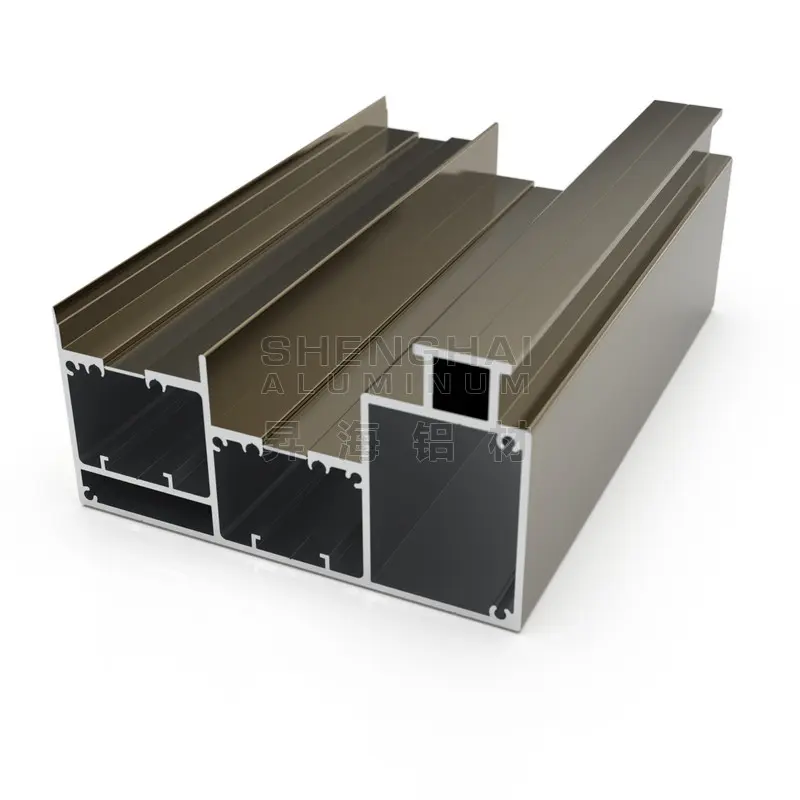
- Premium multi-chamber thermal break aluminum window profile with PA66 GF25 insulation strips. CNC machined to ±0.1mm precision, providing excellent thermal insulation for 50℃ high temperature environment
-