
Aluminum anodizing explained — benefits, process, electrolytic coloring, sealing, and when to choose it for aluminum surface protection.
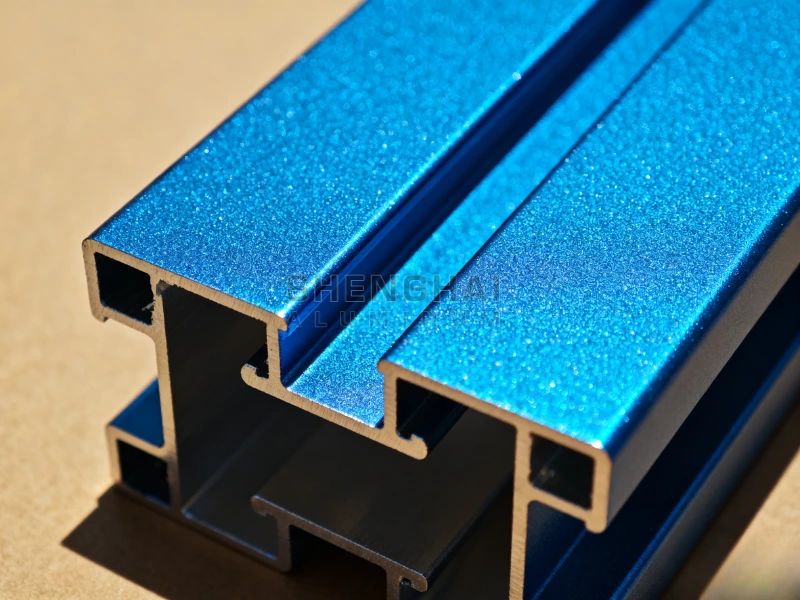
Aluminum anodizing is an electrochemical process that essentially transforms the surface of aluminum profiles into aluminum oxide, thereby enhancing the surface physical and chemical properties of the aluminum profiles. Aluminum anodizing is also a type of surface treatment for aluminum profiles and, like powder coating, is a common processing technique for aluminum profiles.
What are the benefits of aluminum anodizing?
The main purpose of anodizing is to enhance the performance of aluminum profiles by forming an oxide film on them, and also to address the natural defects of aluminum profiles.
Physical protection: After the formation of an oxide film, the surface hardness of aluminum profiles can be significantly enhanced.
Chemical protection: The oxide film can basically isolate water and air in the environment, preventing chemical reactions with the internal aluminum profiles.
Enhanced appearance: There are even 200 colors to choose from after anodizing.
Environmental protection: The anodizing process does not harm the environment.
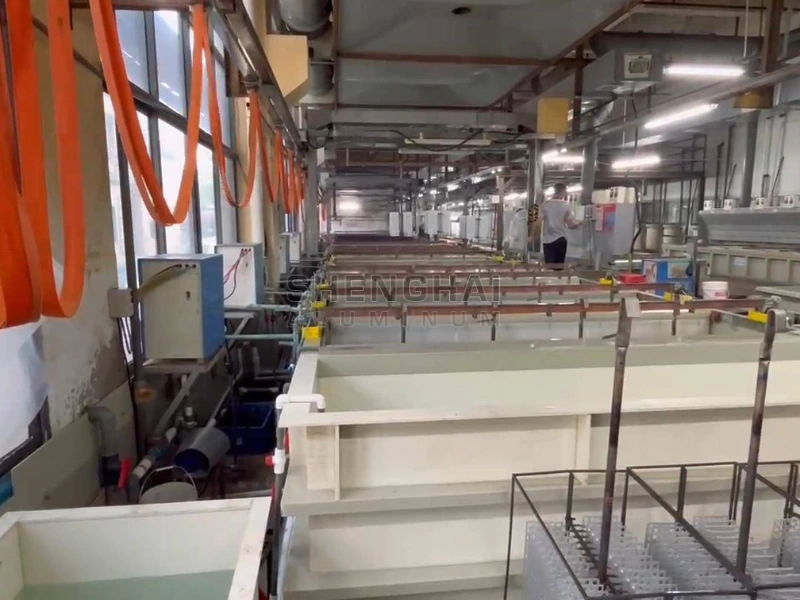
The process of aluminum anodizing
The first step is to treat the surface of the workpiece: all the "dirt" on the aluminum part must be removed.
The second step is to generate the oxide film: This is the most crucial step in the anodizing process.
The third step is electrolytic coloring: This is the step that gives aluminum parts their color.
The fourth step is hot water sealing: This step is for "locking the color".
The final step is drying: The surface of the sealed workpiece has moisture and cannot be left to air dry directly.
About Us
Shenghai Aluminum is a manufacturer with 15 years of production experience, capable of providing customized services for various aluminum profiles.