
High-precision aluminum CNC deep processing — 10 engineering FAQs covering tolerances, multi-axis, tapping, and surface finishing.
Executive Summary: The Strategic Evolution of CNC in Global Aluminum Fabrication
In the 2026 global manufacturing ecosystem, the integration of CNC (Computer Numerical Control) machining within the aluminum extrusion supply chain has become a mandatory standard for high-precision industries. As product lifecycles shorten and complexity increases, understanding the technical and strategic nuances of CNC deep processing is critical for global procurement and engineering teams.
This technical guide addresses the 10 most critical inquiries regarding CNC technology, derived from international manufacturing benchmarks and expert consensus.
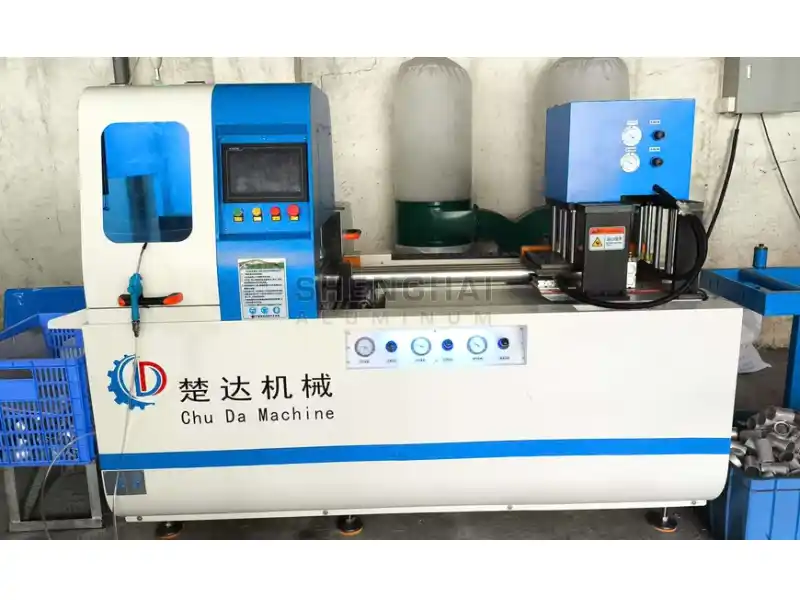
I. Technical Foundations: The Architecture of CNC
CNC machining is a subtractive manufacturing process where a computer-controlled tool removes material from a solid block of aluminum. The core components are the machine tool, the control unit, and the CAD/CAM software that translates design files into toolpaths.
II. Strategic Analysis: Industry Evolution and Market Viability
Global manufacturing has shifted from conventional machining to CNC for several reasons: repeatability, precision, and labor independence. For aluminum extrusion suppliers, integrating CNC deep processing in-house means shorter lead times and better quality control.
III. Material Synergy: Optimizing Aluminum for CNC
Aluminum alloys such as 6061, 6063, 6082, and 7075 are optimized for CNC because of their machinability, thermal conductivity, and corrosion resistance. Choosing the right alloy for a specific CNC process — milling, turning, drilling — has a direct impact on tool life, surface finish, and dimensional accuracy.