
CNC machining of aluminum materials — advantages, methods, tool selection, post-processing, and industrial applications.
Aluminum is one of the most used materials in mechanical machining. CNC machining of aluminum is used almost as much as steel.
Pure aluminum is soft, easy to bend, non-magnetic, and silver in color. Aluminum is usually not used in pure form. It is mixed with other elements like manganese, copper, or magnesium to make alloys.
Advantages of Using Aluminum for CNC Machined Parts
Aluminum can be rapidly formed through various processing methods.
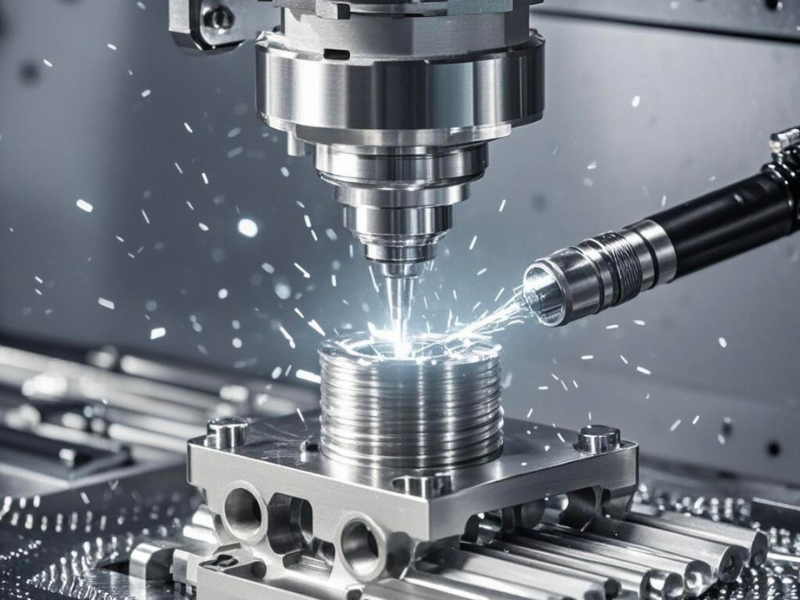
Easy to Machine — Aluminum can be shaped easily.
High Strength-to-Weight Ratio — Aluminum is about one-third the weight of steel, but it is still strong.
Corrosion Resistance — Aluminum does not rust easily in air or water.
Low-Temperature Performance — Many materials get weak below zero degrees. Aluminum stays strong and flexible.
Electrical and Thermal Conductivity — Pure aluminum conducts electricity well.
Recyclability — CNC machining produces scrap metal. Aluminum can be recycled easily.
CNC Machining Methods for Aluminum
CNC Turning — In CNC turning, the part spins while a cutting tool stays mostly in place.
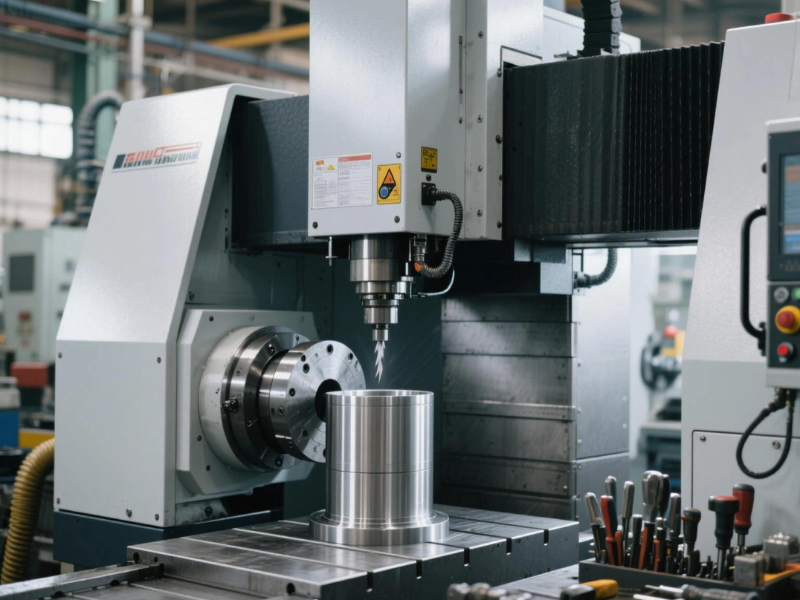
CNC Milling — CNC milling is the most common way to machine aluminum.
CNC Drilling — CNC drilling uses a rotating multi-point tool to create precise holes.
Tool Selection for Aluminum CNC Machining
Number of Flutes — Aluminum tools usually have 2 or 3 flutes.
Helix Angle — Helix angle changes how chips leave and heat forms.
Relief Angle — Best relief angle: 6–10°.
Tool Material and Coating — Carbide tools are best.
Cutting Speed and Feed Rate — Aluminum can be cut fast.
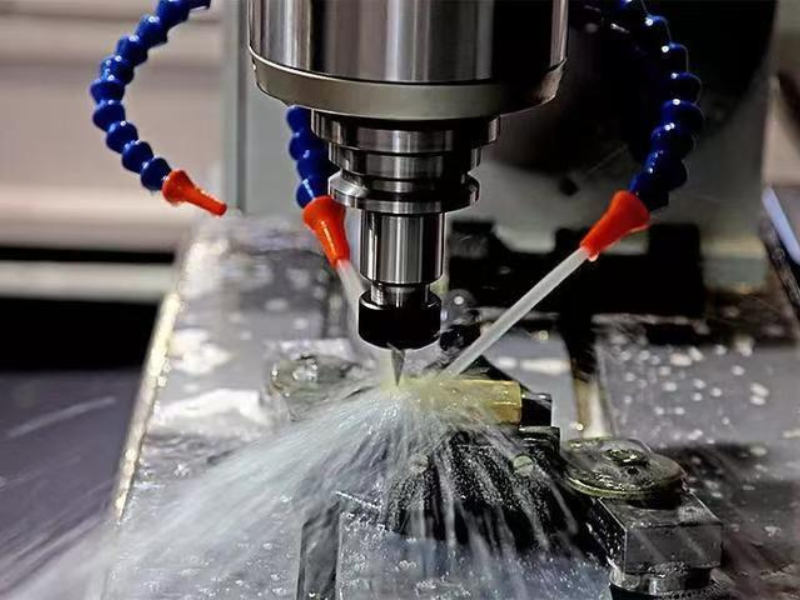
Coolant Selection — Do not cut aluminum dry.
Post-Machining Processes
Peening and Sandblasting — These clean and smooth the surface.
Coating — Zinc, nickel, or chrome coatings improve the surface.
Anodizing — Anodizing uses electricity in acid to make a hard aluminum oxide layer.
Powder Coating — Powder is sprayed on and heated to 200°C.
Heat Treatment — Some aluminum alloys can be heat treated to improve strength.
Industrial Applications of CNC Machined Aluminum
Aerospace, Automotive, Electrical, Food & Pharmaceutical, Sports, Cold Applications.
Why Choose Us for Aluminum CNC Machining
Shenghai Aluminum has over 15 years of experience. We have precise machines and skilled engineers.